
South Carolina's Telephone Solicitation Act (SCTSA) empowers residents to control telemarketing calls through the Do Not Call Registry. Businesses must obtain prior consent, honor requests to stop calling, and face fines for non-compliance. Do Not Call Lawyers South Carolina assist in registration, policy creation, and legal navigation, fostering a harmonious marketing environment while protecting consumer privacy and rights.
In today’s digital age, unwanted phone calls can feel like a constant nuisance, with many South Carolinians seeking respite from relentless telemarketers. This is where the South Carolina Telephone Solicitation Act steps in as a shield for residents’ privacy and peace of mind. As a Do Not Call Lawyer South Carolina, understanding this legislation is paramount to ensuring compliance and protecting consumers.
The Act outlines strict rules governing unsolicited sales calls, providing citizens with the power to control their communication preferences. By examining its key provisions, we can navigate this regulatory landscape effectively, empowering residents to make informed choices and fostering a more harmonious relationship between businesses and consumers in the Palmetto State.
Understanding South Carolina's Do Not Call Laws

In South Carolina, the Telephone Solicitation Act offers consumers protections against unsolicited telephone marketing calls, commonly known as telemarketing. A key component of this legislation is the Do Not Call list, designed to empower residents to control their privacy and reduce unwanted calls. This list is a powerful tool for South Carolinians who wish to opt-out of receiving marketing calls at home or work.
Eligible individuals can register their phone numbers with the state’s Do Not Call Registry by visiting the official website or contacting a Do Not Call Lawyer South Carolina. Once registered, businesses engaging in telemarketing activities are prohibited from calling the listed numbers unless they have prior consent. This law extends to various forms of communication, including live operators, prerecorded messages, and automated dialing systems. It’s crucial for businesses to comply with these regulations to avoid penalties, which can include substantial fines and legal repercussions.
Practical implementation involves educating both consumers and businesses about the registry’s existence and importance. Do Not Call Lawyers in South Carolina play a vital role in assisting residents with registration and advising businesses on navigating these laws. They ensure that companies respect consumer choices, thereby fostering a more harmonious and less intrusive marketing environment. By understanding and utilizing South Carolina’s Do Not Call laws, consumers can reclaim control over their communication channels, reducing the volume of unwanted calls and promoting a healthier balance between connectivity and privacy.
Key Provisions: What Businesses Must Comply

The South Carolina Telephone Solicitation Act (SCTSA) is a robust piece of legislation designed to protect residents from unwanted telephone solicitations, particularly from sales and marketing professionals. This law places significant responsibilities on businesses engaging in telemarketing activities within the state. The key provisions focus on what businesses must do—and not do—to comply with the act’s stringent rules.
All commercial calls made within South Carolina, or to residents of the state, are subject to these regulations. Businesses must obtain prior express consent from the caller before initiating contact for the purpose of selling or promoting their products or services. This means that Do Not Call Lawyers in South Carolina play a vital role in advising clients on how to navigate these laws effectively. For instance, a company offering home security systems must ensure it has permission to call a potential customer; otherwise, they risk facing legal repercussions under the SCTSA.
Compliance involves implementing strict do-not-call policies and maintaining detailed records of caller consent. Businesses are required to honor requests to stop calling within a reasonable timeframe, typically 24 hours. Any violation can lead to substantial fines, with penalties reaching up to $500 per day for each unauthorized call. These provisions emphasize the need for businesses to be proactive in their compliance strategies and seek legal counsel from South Carolina Do Not Call Lawyers to ensure they remain within the law’s boundaries.
Enforcing Your Rights: Taking Action Against Violators
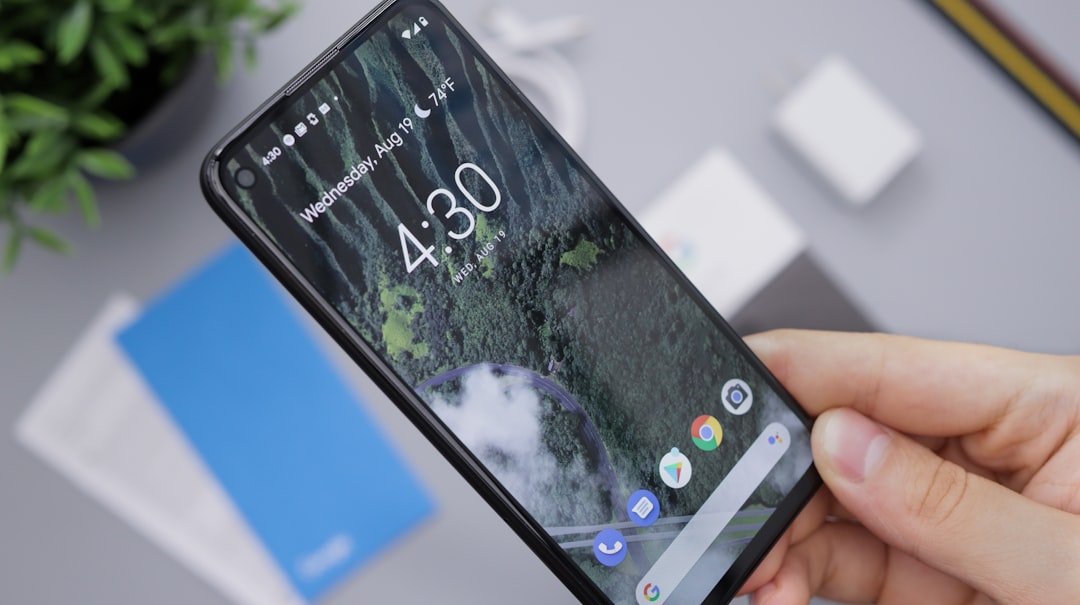
The South Carolina Telephone Solicitation Act (SCTSA) grants consumers powerful tools to protect their privacy and control unwanted calls. Understanding your rights under this act is essential, especially when dealing with persistent or abusive solicitors. One of the key provisions allows residents to register their telephone numbers on the “Do Not Call” list, a move that significantly reduces unsolicited calls from telemarketers. This simple yet effective measure has shown remarkable success in South Carolina, with a substantial drop in nuisance calls reported since its implementation.
When violators disregard these regulations, individuals can take proactive steps to enforce their rights. A Do Not Call Lawyer South Carolina can play a pivotal role here, guiding clients through the legal process and ensuring compliance with the state’s laws. In recent cases, such lawyers have assisted clients in securing substantial damages against companies that ignored the “Do Not Call” list and made repeated harassing calls. These victories not only deter potential violators but also serve as a reminder that consumers have the legal standing to protect themselves from intrusive marketing practices.
Practical advice for those facing persistent solicitation includes maintaining detailed records of each incident, including dates, times, call sources, and any abusive language used. This documentation can be invaluable when pursuing legal action. Additionally, many states, South Carolina included, allow consumers to file complaints with state regulatory bodies and the Federal Trade Commission (FTC), which can trigger investigations into violators’ activities. By combining these strategies, residents can actively shape their communication experiences and make unwanted telephone solicitation a thing of the past.
Legal Advice for Effective Do Not Call Registry Management

The South Carolina Telephone Solicitation Act (SCTSA) offers robust protections for residents against unwanted phone solicitations, with a key component being the Do Not Call Registry. Effective management of this registry is crucial to ensuring compliance and safeguarding consumer rights. A Do Not Call Lawyer South Carolina can provide invaluable guidance in navigating this legal framework, offering strategic advice tailored to businesses and individuals alike.
For businesses engaged in telemarketing or direct marketing, understanding the nuances of the SCMTSA is essential. The law mandates that companies obtain explicit consent before making telephone solicitations, and failure to comply can result in stringent penalties. A legal expert can assist in crafting comprehensive do-not-call policies, ensuring compliance with state regulations while protecting business interests. For instance, a Do Not Call Lawyer South Carolina might advise on the proper implementation of opt-out mechanisms, tracking and maintaining accurate call records, and responding appropriately to consumer complaints.
Individual residents can also benefit from legal counsel when it comes to managing their Do Not Call Registry listings. A lawyer can help individuals assert their rights, ensuring that their registration is maintained accurately and that they receive the protections afforded by the law. This includes advice on handling persistent solicitors, understanding the process for filing complaints, and seeking remedies if their rights are violated. For example, a resident who has accidentally added to the Do Not Call List due to miscommunication can have a lawyer assist in removing their number while educating them on how to prevent future errors.
Moreover, staying informed about regulatory updates is vital. The SCTSA is subject to changes and amendments, and a dedicated Do Not Call Lawyer South Carolina can keep clients apprised of these developments. Regular legal reviews and strategic adjustments are essential to maintain compliance as the law evolves. By engaging the services of such a lawyer, businesses and residents alike can confidently navigate the complexities of the Do Not Call Registry, ensuring their rights are protected in this increasingly regulated telemarketing landscape.