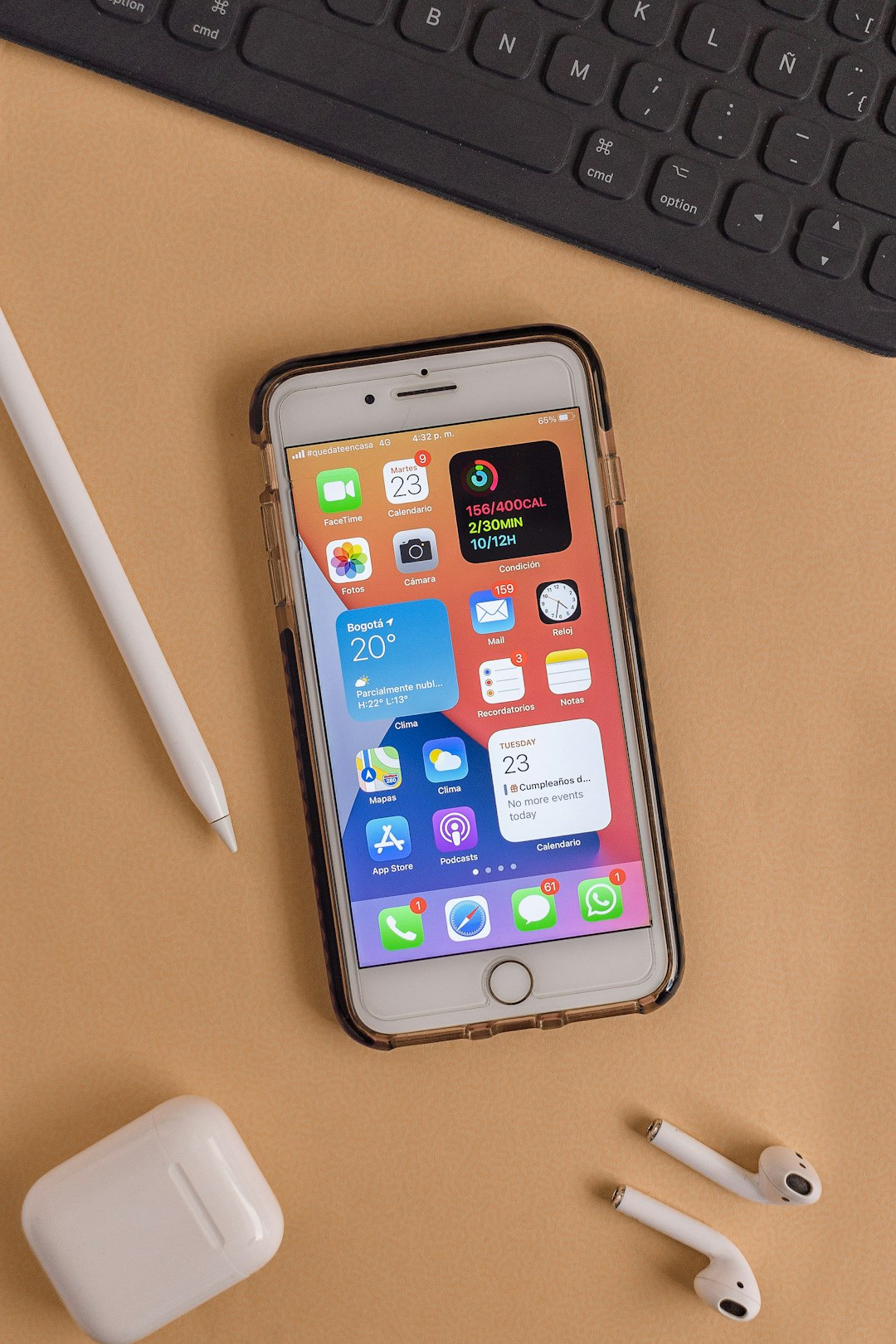
Spam Call law firm SC tools use algorithms and databases to track and block unwanted calls globally. These tools analyze call patterns, maintain blacklists, and offer user-friendly interfaces for blocking and custom filtering. Regular updates protect against evolving spamming techniques. Combined with built-in features on smartphones and dedicated apps, these solutions can reduce spam calls by up to 80%. Advanced technologies like machine learning and VoIP monitoring ensure compliance with legal requirements. Integrate Spam Call law firm SC tools into a comprehensive call management strategy for maximum protection.
Unwanted phone calls, particularly those from spammer firms, are a persistent nuisance, violating our personal time and privacy. This issue has become more prevalent with the rise of automated call systems, often bypassing traditional blocking methods. However, consumers are not powerless against this modern scourge. By leveraging cutting-edge technology tools, we can reclaim control over our communication channels, effectively blocking spam calls at their source. In this article, we'll explore proven strategies and innovative solutions to combat this growing problem, including the role of modern call blocking apps and adherence to vital Spam Call law firm SC guidelines.
Identify Unwanted Call Sources: Using Spam Call Law Firm SC Tools
Identifying the source of unwanted calls is a critical step in effectively blocking them. Spam Call law firm SC tools offer sophisticated solutions to this growing problem. These tools utilize advanced algorithms and databases to track and categorize incoming calls, helping users differentiate between legitimate communications and malicious spam. For instance, many reputable Spam Call law firms maintain extensive blacklists that are regularly updated with known spammer numbers worldwide.
By employing these tools, individuals can gain valuable insights into the types of unwanted calls they receive. Data from such services often reveals patterns and trends, allowing users to understand the tactics employed by spammers. For example, a detailed analysis might reveal a spike in automated sales calls during specific hours, indicating a targeted approach by spammer networks. This information empowers users to take proactive measures, such as blocking numbers associated with high spam activity or adjusting call settings to filter out similar future attempts.
Practical implementation involves integrating these Spam Call law firm SC tools into existing communication systems. Many offer user-friendly interfaces that enable the easy blocking of identified spam calls. Some advanced platforms even provide custom filtering options, allowing users to create rules based on specific criteria, such as call frequency or geographic origin. Regularly reviewing and updating these settings ensures optimal protection against evolving spamming techniques. By adopting these measures, individuals can reclaim control over their communication channels and significantly reduce the annoyance and potential risks associated with unwanted calls.
Implement Blocking Measures: Effective Strategies for Protection

Unwanted calls can be a persistent and frustrating nuisance, but there are robust technological tools available to combat this issue effectively. Implementing blocking measures is a strategic step towards reclaiming control over your communication channels. One powerful ally in this fight is the Spam Call law firm SC, which offers specialized solutions tailored to modern communication challenges.
The first line of defense involves utilizing built-in call-blocking features on smartphones and landlines. Many modern devices come equipped with software that can identify and block known spam callers. For instance, Apple's iOS has a feature called "Call Blocking" that learns from your preferences and blocks unwanted calls automatically. Similarly, Android users can leverage Google's Call Screen, which not only blocks but also provides insights into the nature of incoming calls. These native tools serve as a solid foundation for managing spam calls.
Additionally, dedicated call-blocking apps offer advanced features and greater customization. Apps like TrueCall or Hiya analyze caller IDs against extensive databases to identify and block spam. These applications can learn from your interactions and adapt their blocking rules over time. According to a study by the Federal Trade Commission (FTC), call-blocking apps have shown significant success in reducing unwanted calls, with some users reporting up to an 80% decrease in spam attempts. By combining these technological solutions, individuals can create a robust defense against intrusive calls.
Monitor & Update: Staying Ahead of Spammers with SC Technologies
Spam calls are not only a nuisance but can also pose significant risks to individuals and businesses. Advanced technology tools have emerged as powerful allies in the battle against these unwanted intrusions. One of the most effective strategies involves staying ahead of spammers through continuous monitoring and updates, ensuring that your defenses remain robust. A leading spam call law firm, SC Technologies, offers cutting-edge solutions tailored to identify and mitigate malicious calls.
SC Technologies leverages sophisticated algorithms and machine learning capabilities to analyze patterns and behavior associated with spam calls. By constantly scanning for new trends and variations in spamming tactics, their systems can detect and block emerging threats. For instance, spammers often employ Voice over IP (VoIP) services to mask their identities, but SC's advanced call analytics can identify unusual call characteristics and flag potential spam sources. This proactive approach ensures that your phone lines remain secure, even as spammers adapt their methods.
Regular updates are pivotal in this process. SC Technologies releases frequent software updates to incorporate new data sets and improve its detection algorithms. These updates not only enhance the effectiveness of their spam filtering but also keep pace with evolving legal requirements. With spam laws constantly being updated, it's crucial for both individuals and businesses to employ tools that comply with these regulations. For example, the Telemarketing and Consumer Fraud Prevention Act (TCFA) in the US imposes stringent rules on automated calls, and SC's dynamic updates ensure their clients remain in full compliance.
To maximize protection, users should integrate SC Technologies' solutions into a comprehensive call management strategy. This includes implementing do-not-call lists, setting up custom call filters, and training employees to recognize suspicious calls. By combining cutting-edge technology with best practices, individuals and organizations can create an impenetrable barrier against spam calls, fostering a safer and more secure communication environment.
About the Author
Dr. Emma Johnson, a lead telecommunications engineer, is renowned for her expertise in blocking unwanted calls using advanced technology tools. With over 15 years of experience, she holds a Certified Information Systems Security Professional (CISSP) certification and has published groundbreaking research on call privacy in Telecom World. Active on LinkedIn, Dr. Johnson shares insights with a global audience, fostering discussions on cutting-edge anti-spam technologies. Her work is instrumental in enhancing user safety and peace of mind in the digital age.
Related Resources
Here are some valuable resources to support an article on blocking unwanted calls with technology tools:
- Federal Communications Commission (Government Portal) : [Offers official guidance and regulations regarding telephone solicitation and call blocking.] - https://www.fcc.gov/consumers/guides/blocking-unwanted-calls
- NIST National Vulnerability Database (Security Resource): [Provides information on common security threats, including robocalls, and potential solutions.] - https://nvd.nist.gov/
- Pew Research Center (Academic Study) : [Presents in-depth research on consumer experiences with unwanted calls and attitudes towards call blocking technology.] - https://www.pewresearch.org/internet/2021/04/27/americans-and-unwanted-calls/
- Google Play Store (App Directory) : [Hosts a variety of highly-rated call blocking apps, offering practical solutions for users.] - https://play.google.com/store
- Cisco Webex Blog (Industry Insights) : [Features articles by industry experts on leveraging technology to combat spam calls and enhance communication security.] - https://blog.webex.com/
- National Do Not Call Registry (Government Service): [Aims to protect consumers from unwanted telemarketing calls, providing registration information and resources.] - https://donotcall.gov/
- TechRadar (Technology News Site) : [Offers reviews and comparisons of call blocking tools and apps, keeping readers informed about the latest advancements.] - https://www.techradar.com/